

Search is changing, but not in the “SEO is dead, panic immediately” kind of way.
It is more like search has entered its messy middle child era. Google still matters. SEO still matters. But AI tools, AI Overviews, large language models, Reddit threads, social content, third-party mentions, and brand reputation are all becoming part of how people discover, research, and choose businesses.
I recently attended an online SEO panel called “How to Prepare for the Future of Search,” featuring Chima Mmeje from Moz, Mark Williams-Cook, and Lily Ray. The conversation focused heavily on AI search, GEO, content quality, brand trust, and how businesses should think about visibility going into 2026.
Here are the biggest takeaways, translated into normal human marketing language.
SEO Is Not Dead, It Is Expanding
Let’s start there, because every few years someone dramatically declares SEO dead, and yet here we all are, still Googling things at 11:47 p.m.
The panel made it clear that SEO is not going away. What is changing is how people search.
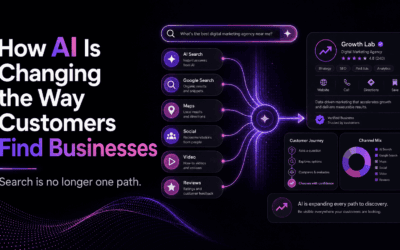
Some people still go straight to Google. Some ask ChatGPT. Some use Bing with AI-powered results. Some search Reddit because they want real opinions. Some watch TikTok or YouTube before making a decision. Some ask an AI tool for a summary, then go back to Google to verify.
Search is no longer one straight line. It is a whole little spiderweb of discovery.
That means businesses need to think beyond traditional rankings and focus on being visible, trusted, and easy to understand across multiple platforms.
GEO Is Really Just Good Marketing in a New Outfit
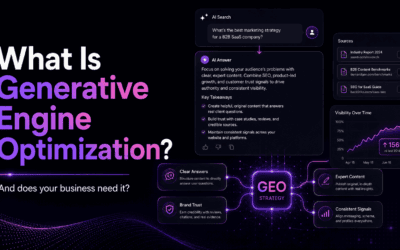
GEO stands for Generative Engine Optimization, which is the fancy term for helping your brand show up in AI-powered search results, answer engines, and large language model responses.
But one of my favorite points from the panel was that GEO is not some mysterious new magic trick. At its core, GEO is holistic marketing.
That means:
Having a strong product or service
Clearly communicating what you do
Building brand recognition
Creating helpful content
Being mentioned in places that matter
Earning trust through reviews, community, PR, and third-party credibility
Making sure your website is structured clearly enough for both humans and AI to understand
In other words, GEO is not about stuffing your site with weird AI bait and hoping ChatGPT picks you. Please do not make the robots cringe.
It is about building a brand and content presence that is useful, credible, and easy to reference.
AI Search May Reduce Traffic, But Not Always Value
One major concern with AI Overviews and AI-powered answers is that users may get the answer they need without clicking through to a website.
For publishers, affiliate sites, and businesses that rely heavily on top-of-funnel pageviews, that can be a very real problem. If your content strategy is built around broad informational searches, like basic definitions or simple how-to questions, AI may answer those directly before someone ever reaches your site.
But that does not mean all traffic is doomed.
The panel discussed how overall click volume may remain more stable in some areas, but click-through rates are declining for many informational queries. The bigger shift is that the clicks websites do receive may be more intentional. Someone who clicks after reading an AI summary may be deeper in the research process or closer to taking action.
For businesses, this means it may be time to stop treating traffic as the only success metric.
Instead, look at:
- Engaged sessions
- Conversion rates
- Brand searches
- Direct traffic
- Form submissions
- Phone calls
- Email signups
- Lead quality
- Where customers say they heard about you
- Visibility in AI tools and third-party sources
Less traffic is not automatically bad if the people who do arrive are more qualified.
Your Brand Reputation Matters More Than Ever
AI tools do not only look at your website when forming answers about your brand.
They pull from the broader internet, including articles, reviews, forums, directories, comparison pages, podcasts, social platforms, and other third-party mentions. That means what the internet “knows” about your brand is becoming incredibly important.
This is where SEO starts to overlap with PR, social media, reputation management, community building, and brand marketing.
If your business is only talking about itself on its own website, that may not be enough.
AI and modern search tools are looking for signals that other people trust you too.
That could include:
- Positive reviews
- Industry mentions
- Relevant backlinks
- Podcast appearances
- Guest articles
- Social media conversations
- Client testimonials
- Case studies
- Community discussions
- Directory listings
- Thought leadership
Basically, your website matters, but it is not the only voice in the room anymore.
Reddit and Community Content Are Having a Moment
One of the biggest shifts discussed was the rise of Reddit and other user-generated forums in search results.
Google has been showing more forum content because people want real, firsthand answers. They want to know what actual customers, users, professionals, or community members think, not just what a polished brand page says.
For businesses, this does not mean you should storm into Reddit with a sales pitch and a coupon code. That is how brands get spiritually booed off the internet.
It means you should pay attention to where your audience is already having conversations.
For some industries, that might be Reddit. For others, it may be LinkedIn groups, Slack communities, Discord servers, niche forums, Facebook groups, YouTube comments, or industry-specific spaces.
The goal is not to fake authenticity. The goal is to understand what people are asking, what they are frustrated by, what they compare, and what they trust.
If it makes sense to participate, do it honestly. Say who you are. Be helpful. Do not make every answer a sales pitch wearing a fake mustache.
Quality Content Needs a Human Point of View
AI can generate endless content. That does not mean it can generate good content.
One of the strongest takeaways from the panel was that “quality content” in 2026 will need to be more original, more useful, and more human.
Generic content is going to have a harder time standing out, especially when AI can answer basic questions instantly.
The content that performs better will likely include:
- Personal experience
- Original opinions
- Real examples
- Case studies
- Expert insight
- Industry perspective
- Data you actually understand
- Helpful explanations
- Clear takeaways
- Content that feels like it came from a person, not a beige content machine
This does not mean you cannot use AI. Google has said it cares more about whether content is helpful than whether AI was involved in creating it. But there is a huge difference between using AI as a tool and publishing bland AI-generated fluff with no human judgment.
Use AI to support the process. Do not let it become the entire process.
The best content will still need your brain, your experience, your examples, and your actual point of view.
Stop Chasing Every Shiny SEO Tactic
Another point I loved: not every new search trend deserves your entire strategy.
Right now, some companies are trying to game AI search with tactics like “best of” listicles, AI-targeted pages, and prompt-based visibility hacks. Some of those tactics may work temporarily. But if they do not build trust, they may not hold up long term.
The problem with chasing shiny tactics is that algorithms change. Spam policies change. AI tools change. What works today can get devalued tomorrow.
Instead of asking, “What trick is working right now?” a better question is:
“Does this help the user, build trust, and support the outcome we actually want?”
That is a much safer long-term strategy.
The future of search is not about manipulating platforms. It is about becoming the kind of brand those platforms can trust enough to reference.
Video and Personal Branding Are Becoming More Valuable
Video came up as another important piece of the future search conversation.
Is video required for SEO? Not necessarily. But is it helpful? Very.
Video gives people another way to engage with your content, and it creates a stronger sense of personality and trust. It can also support YouTube visibility, social media content, website engagement, and even written content.
One smart idea from the discussion was to use video as the starting point for content. For example, record a quick Q&A with a business owner or subject matter expert, then use that conversation to create a blog post, FAQ section, social content, or email.
That gives the content a real human perspective from the beginning instead of starting with generic text and trying to sprinkle personality on top later.
For business owners, founders, marketers, and service providers, this is also where personal branding matters. People trust people. AI tools may summarize content, but humans still connect with real experience, clear opinions, and recognizable voices.
What Businesses Should Track Instead of Just Rankings
Rankings still matter, but they are not the whole picture anymore.
With AI search, personalized results, changing SERP layouts, and hidden discovery paths, businesses need a broader way to measure visibility.
A more modern search report should look at:
- Organic traffic
- AI referral traffic
- Brand search volume
- Direct traffic
- Engagement rates
- Conversions
- Lead quality
- Visibility for important topics
- Third-party mentions
- Backlink quality
- Reviews
- Form responses asking “How did you hear about us?”
- Social and community conversations
- Whether AI tools understand your brand accurately
That last one is important. You can literally ask AI tools about your business and see what comes up. Is the information accurate? Do they understand what you offer? Are they missing key services? Are they pulling outdated details?
It is not perfect, but it gives you a glimpse into how your brand is being interpreted.
How to Prepare Your Website for the Future of Search
The good news is that preparing for AI search does not mean throwing away everything you know about SEO.
It means strengthening the fundamentals.
Here are the places I would start:
Make Your Website Clear
Your website should clearly explain what you do, who you help, where you work, and why someone should choose you. If a human has to dig around to understand your business, AI will probably struggle too.
Strengthen Your Service Pages
Thin service pages are not doing you any favors. Each core service should have a clear, helpful page with strong headings, useful explanations, FAQs, internal links, and calls to action.
Build Content With a Point of View
Do not just publish what everyone else is publishing. Add your experience, your take, your examples, and your perspective. That is what makes content more memorable and harder to replace.
Add Schema and Clean Structure
Schema markup, clean headings, organized content, and strong metadata help search engines and AI tools better understand your site. It is not glamorous, but neither is flossing, and both matter.
Invest in Brand Mentions
Look for ways to build credibility outside your own website. That might include guest posts, PR, podcast interviews, industry directories, partnerships, testimonials, reviews, or community involvement.
Diversify Your Traffic
Do not rely only on Google. Build your email list. Stay active on social. Use paid campaigns where they make sense. Create helpful content. Strengthen your brand presence across multiple channels.
Monitor AI Referral Traffic
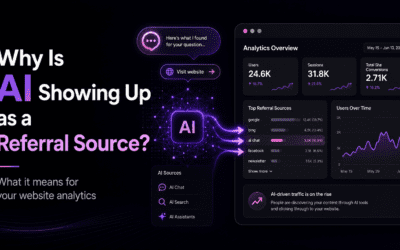
Check your analytics for referrals from tools like ChatGPT, Perplexity, Claude, Gemini, and other AI-powered platforms. These numbers may be small right now, but they can help you spot changes in how people are finding you.
Add a “How Did You Hear About Us?” Field
This is simple but powerful. AI, Reddit, social media, podcasts, word of mouth, and other discovery paths do not always show up cleanly in analytics. Asking people directly can fill in the gaps.
The Big Takeaway
The future of search is not just SEO versus GEO.
It is not Google versus AI.
It is not humans versus robots in a dramatic little marketing thunderstorm.
The future of search is about visibility, trust, clarity, and usefulness across more places than ever before.
Yes, SEO still matters. But so does your brand reputation. So does your content quality. So does your website structure. So does social media. So do reviews, community conversations, third-party mentions, and the way people talk about your business when you are not in the room.
Search is becoming more connected to the rest of marketing, which honestly makes a lot of sense.
The brands that win will not be the ones chasing every new trick. They will be the ones building something clear, credible, helpful, and easy to find wherever people are looking.
Need Help Making Sense of SEO, GEO, and AI Search?
Ad Tech Social helps businesses build smarter digital marketing strategies across SEO, GEO, advertising, social media, and custom websites.
If your website needs better visibility, clearer content, or a strategy that keeps up with how people are actually searching, let’s talk.

0 Comments